
Resi­dential Services

Service­Master by Gilmore provides a compre­hensive array of services to restore your home to pre-loss condition after a water, fire & smoke, mold or bio-recovery event.

Water Damage

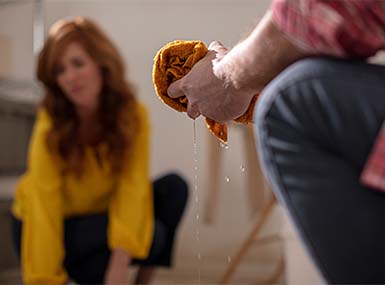
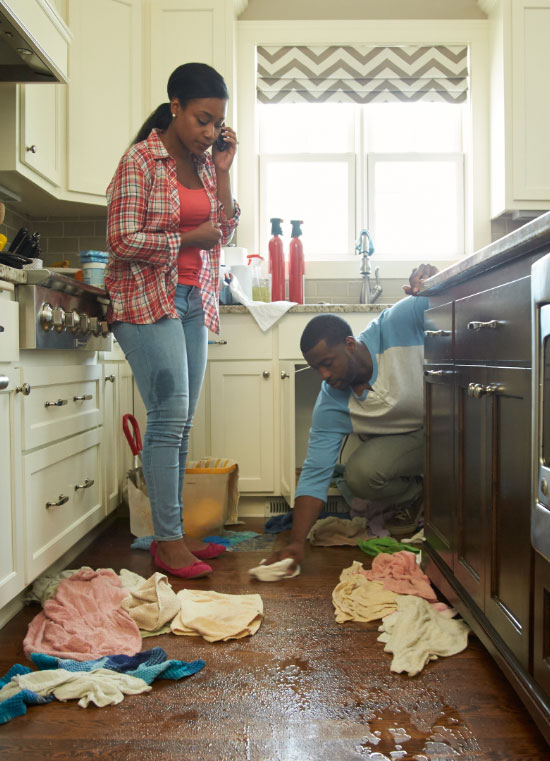
When it comes to water damage, every second counts. It is essential that you respond imme­di­ately to save property and prevent the growth of mold and mildew

Water damage can happen fast! Did you know…..

  • A ¼ in. supply line from an ice maker can pump ½ to 1 gallon/min….700–1,400 gallons in 24 hrs.
  • A 3/8 in. line from a toilet can pump 2–3 gallons/min…or enough to fill a small above ground pool.
  • A 5/8 in. hose from a washing machine can pump 10–12 gallons/min…14,000–17,000 gallons in 24 hrs.

Common sources of indoor water damage include:

  • Frozen or broken pipes
  • Hot water heater malfunctions
  • Washing machine hose breaks
  • Toilet bowl cracks/overflows
  • Auto­matic ice maker line breaks
  • Central air condi­tioner leaks

Outdoor sources:

  • Flooding
  • Water main breaks
  • Wind driven rain
  • Ground water, flooding and seepage

Ground water, flooding and seepage may NOT be covered by your insurance company. Make sure to check with your agent or carrier to find out about your policy details.

Why is it important to respond quickly and take steps to mitigate damage after water affects your home or business?

The extent of water damage is not imme­di­ately apparent and can be more extensive than first appears. Surfaces such as carpet, dry wall, and wood flooring can feel dry to the touch yet still be wet underneath.

Common ‘hidden’damage from water includes

Carpet Delam­i­nation

Why does water damage carpet?

The synthetic fibers and backings are resistant to water however the adhesive back coating can become soft and unstable while wet, ruining the carpet.

Drywall Damage

Why does water damage drywall?

Standing water can ‘wick’ up the drywall affecting it’s integrity rendering it soft, mushy or moldy if left long enough.

Damage to Hardwood

How does water damage hardwood floors?

  • Cupping
  • Joint Staining

Don’t wait to mitigate!

Fire & Smoke Damage

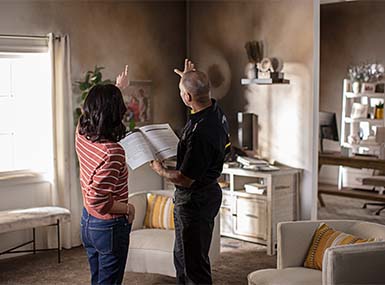
Fire damage can extend beyond the obvious destruction of property visible after the fire is extin­guished. Begin the cleaning process as soon as possible to prevent etching and corrosion of surfaces such as chrome and porcelain.

Common types of fire damage include:

  • Elec­trical fires
  • Kitchen fires
  • Chimney fires
  • Protein fires
  • Candle fires
  • Exposure

Quick response after a fire will reduce the severity of damage and prevent further damage from occurring by assessing the state of floors, walls and contents and by performing emer­gency services such as:

  • Emer­gency board up
  • Pack outs
  • Clean hard surfaces
  • Clean carpet & upholstery
  • Clean kitchens & bathrooms
  • Initiate dry-down process
  • Remove valuable oil paintings

Emer­gency pre-cleaning will help to neutralize acid residue which could damage at risk surfaces such as:

  • Metal & glass
  • Faucets
  • Towel bars
  • Aluminum window frames
  • Chrome trim
  • Marble
  • Porcelain
  • Tile and grout
  • China
  • Crystal

Soot Damage

Puff Backs are a common source of soot damage in homes and busi­nesses and occur when an oil burner back­fires. Soot is disbursed throughout the building. Damage is generally heavier near the source, but this is not always the case. Improper cleaning can grind soot into walls or fixtures making redec­o­ration necessary. Call a profes­sional to insure proper cleaning and prevent further damage by tracking and drifting of soot.

Common sources of soot damage:

  • Puff backs
  • Furnace malfunc­tions
  • Closed fire­place flue, (when starting a fire­place fire)
  • Chimney down­draft

Mold Reme­di­ation

The key to mold control is moisture control.

— United States Envi­ron­mental Protection Agency

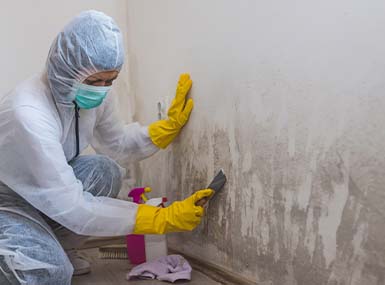
Experts agree that it takes approx­i­mately 48–72 hours for mold to develop after a water damage event. Quick response after a water loss will help minimize damage and the chance that mold will take hold.

Bio-Recovery

Certified Blood-Borne Pathogen Technicians

Turn to Service­Master by Gilmore when you need help cleaning your home after violent crime, death, acci­dents, trauma and hoarding. Our trained tech­ni­cians and managers compas­sion­ately deliver the service needed to restore your property quickly. We are fully compliant with OSHA regu­la­tions governing the clean up and disposal of biohazard waste and will protect your family or staff from sickness or liability from exposure to pathogens contained in blood and bodily fluids.

Contact us now to find out how we can help you →

PRO TIPS

Check out our PRO TIPS every month for insights into cleaning from our professionals.

Carbon Monoxide: How to Protect Yourself and Your Family